
 The records of the incomparable Mahalia Jackson were much loved in my home as a child. This song, then, as now, was one of my favorites of her recordings.
The actual title of the song is Why Should I Feel Discouraged. Also, in the United Church of Christ we use gender neutral language. So, you may be more familiar with the original text version, His Eye Is on the Sparrow. God’s Eye Is on the Sparrow is # 475 in the New Century Hymnal.
To sing along, go to https://hymnary.org/text/why_should_i_feel_discouraged for the old text and the music.
Just a reminder that the complete collection of these hymn recordings is available for free listening (streaming) at https://soundcloud.com/hilton-kean-jones/sets/hymns-at-lakewood. When each new recording is posted on the church website, it is also added to this album.
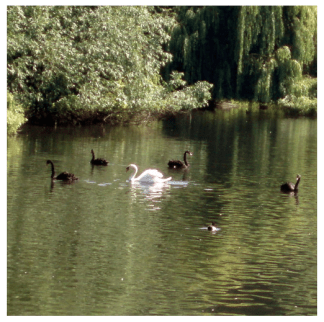 Something different this morning! It’s not found in any hymnal although it should be; rather, it’s a Native American hymn traditionally sung to the four directions in the morning by the women of the community. The arrangements and orchestrations are my own. I’ve done several settings–orchestra, solo piano, and choir–the first two of which are presented here.
 This recording is named, not for the first line of the hymn as is customary, but for the tune name. Each tune in the hymnal has its own name irrespective of the words that are sung to it.
 Pictured is the River Strong outside D’Lo, Mississippi, where my daddy’s family is from. This particular location of the Strong River also happens to be where the baptism scene in Brother Where Art Thou was filmed! All of which kind of fits in with this morning’s hymn recording.
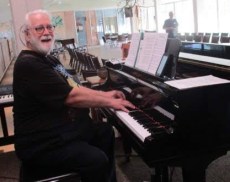 Today, no strings, no brass, no fancy pipe organs, just old-time camp meeting piano. We sing a bunch of these kinds of songs at Lakewood and I’ll be doing more of them here. This one’s a favorite and it’s got that certain swing to it that old-timey music has when the lady would play it and us kids would march in from Sunday School classes. Enjoy yourself singing along. It’s #471 in the New Century Hymnal. You can read all about it and see the music and representative text at
  Lakewood United Church of Christ